

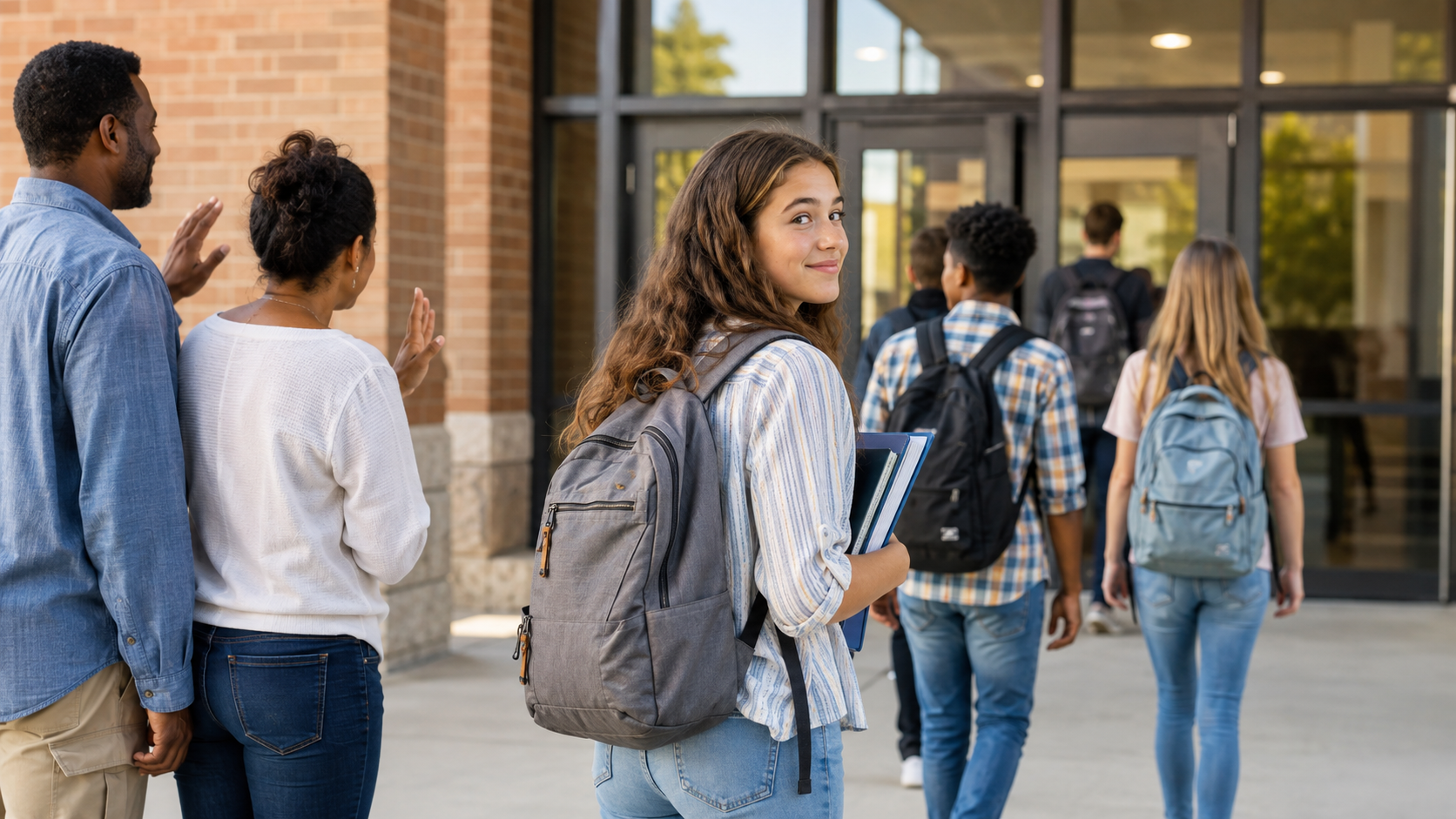
This fall, thousands of students across the country will walk through the doors of high school for the first time. For many, the shift from middle school feels enormous—bigger hallways, more demanding classes, new social dynamics, and a sudden sense that the future is starting to take shape. Whether your child is excited, anxious, or somewhere in between, the 2026–2027 school year marks a genuine milestone. High school is where kids begin to define themselves academically, socially, and personally in ways that can influence the next decade of their lives.
Preparing for the Transition to High School
The transition is rarely seamless. Freshmen often report feeling overwhelmed by the sheer scale of the building and the faster pace of instruction. Teachers expect greater independence: assignments are longer, deadlines firmer, and the consequences of falling behind more immediate. Electives open up new possibilities—robotics, theater, journalism, advanced language courses—yet the abundance of choice can itself feel stressful. At the same time, the social landscape changes. Friend groups shift, extracurriculars create new communities, and the pressure to “fit in” or “stand out” intensifies. Parents watching from the sidelines frequently wonder how best to support without hovering.
Building Strong Organizational Habits
One practical starting point is organization. Successful high-schoolers tend to develop systems early. A simple planner (digital or paper), consistent study times, and a dedicated workspace at home can prevent the scramble that often appears by midterms. Many schools now offer freshman orientation or advisory programs designed precisely for this purpose—encourage your student to attend and to ask questions without embarrassment. Sleep and nutrition matter more than most teenagers admit. The combination of early start times, after-school activities, and late-night homework can quickly erode rest; protecting a reasonable bedtime is one of the highest-leverage moves a family can make.
Developing Effective Academic Strategies
Academically, the first year is less about perfection and more about building habits. Grades still count, of course, but learning how to study, how to seek help, and how to recover from a setback will serve students longer than any single test score. Encourage your child to visit teachers during office hours early rather than waiting until a grade dips. Many high schools have tutoring centers, peer mentors, or online resources that go unused simply because students do not know they exist. Taking one challenging class—honors English or an introductory STEM elective—can stretch a student without overwhelming them, provided the rest of the schedule remains balanced. Mix in classes like Political Science for a good, rounded education.
Finding the Right Social and Extracurricular Activities
Socially, the advice is equally straightforward yet often overlooked: join something. Sports, clubs, band, debate, volunteer groups, or student government all provide ready-made communities and a reason to stay engaged after the final bell. Research consistently shows that students involved in at least one meaningful activity report higher belonging and lower isolation. That said, over-scheduling is real. Two or three commitments are usually plenty; quality of involvement matters more than quantity. Friendships will evolve—some middle-school bonds fade, new ones form around shared interests—and that process is normal. Parents can help by listening without immediately problem-solving and by modeling healthy relationships themselves.
Choosing the Right High School Environment
For a small number of families, the traditional comprehensive high school is not the preferred path. Some explore specialized environments, including military school, when they believe structure, discipline, and a strong emphasis on leadership would better suit their child’s temperament or needs. Most students, however, thrive in conventional public or private high schools that balance academics with a wide range of electives and activities. The key is matching the environment to the individual rather than assuming one model fits all.
Exploring Future Career and Education Paths
Looking ahead, the high-school years are also when conversations about the future begin in earnest. College, trade programs, military service, entrepreneurship—none of these paths need to be locked in during ninth grade, yet planting seeds of curiosity helps. Encourage exploration: job-shadow days, summer camps in areas of interest, or simply reading about careers can demystify options. Mental-health awareness has improved dramatically in recent years; schools increasingly offer counseling and peer-support networks. Normalize checking in on stress levels and seeking help when needed. A resilient student is one who knows resources exist and feels comfortable using them.
How Parents Can Support Their Freshmen
Parents play a supporting role that evolves. The goal is gradual independence: fewer daily reminders, more strategic check-ins. Celebrate effort and growth rather than only outcomes. Attend back-to-school nights, read the school newsletter, and stay connected with teachers—not to micromanage, but to stay informed. When conflicts arise (and they will), approach them as collaborative problem-solving opportunities rather than battles of will.
Learning From Challenges and Setback
By the time June arrives, most freshmen look back and realize the year felt longer and more transformative than they expected. They will have navigated new routines, discovered strengths they did not know they possessed, and begun to see themselves as capable of more. The students who fare best are rarely those who never stumble; they are the ones who learn to recover, adapt, and keep moving forward.
Making the Most of the Freshman Year
This year’s cohort of high-school freshmen steps onto a stage that is both familiar and entirely new. With thoughtful preparation, realistic expectations, and a willingness to grow through discomfort, they are well-positioned to make the most of it. The next four years will pass quickly. The habits, relationships, and self-knowledge they build now can shape far more than a transcript—they can shape the adults these kids are becoming.
