

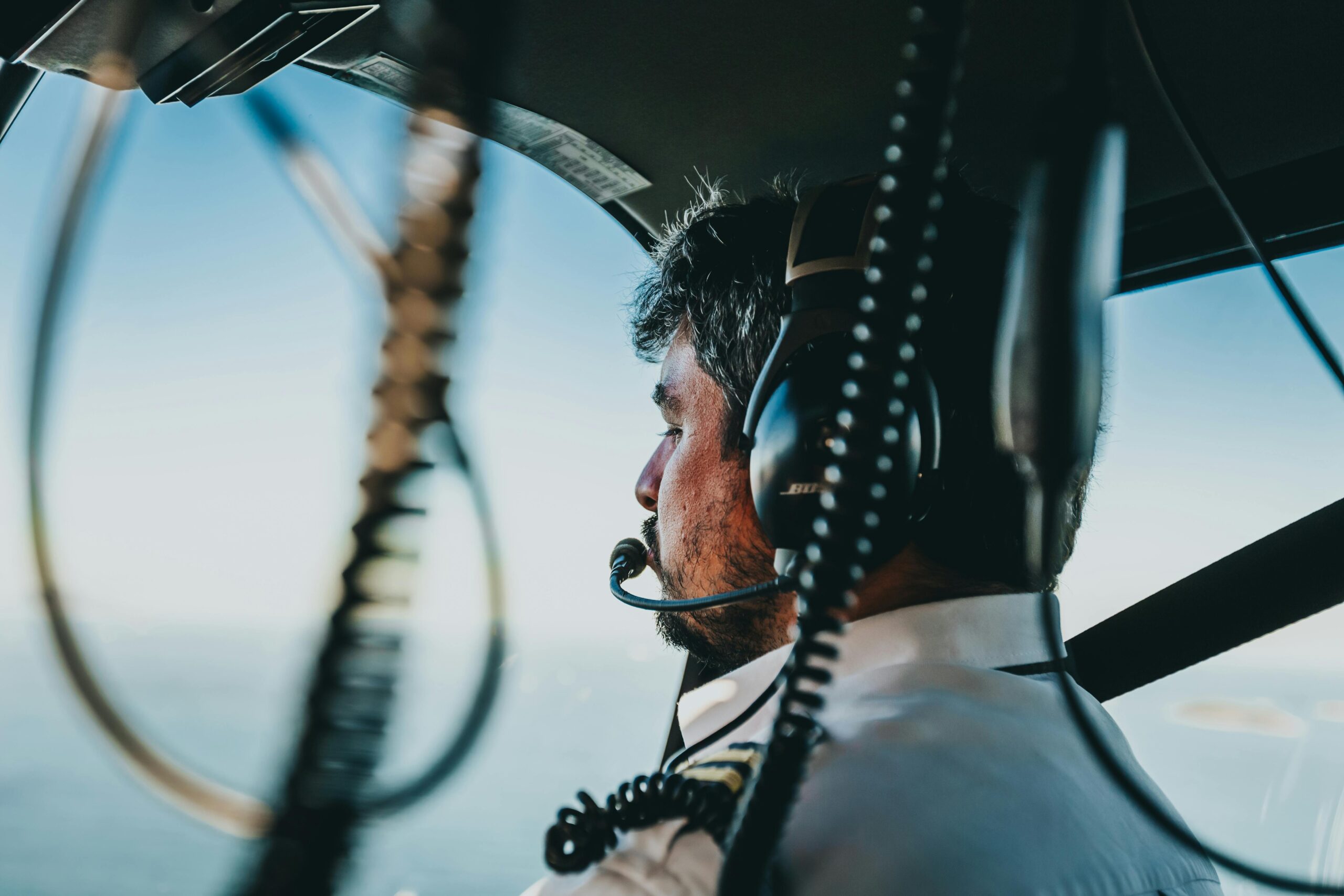
Mental well-being is an often overlooked but essential component of safety and efficiency in the aviation industry. Pilots and air traffic controllers are responsible for navigating high-stakes environments where decisions must be made quickly and accurately. With intense pressure, long hours, and the safety of countless lives resting on their shoulders, maintaining mental health is critical. Addressing mental health in these professions goes beyond preventing burnout; it is about ensuring that these professionals are at their best when faced with complex and demanding situations.
Managing Stress in High-Pressure Situations
Aviation jobs are high-pressure and stressful, with decisions potentially impacting safety. Unmanaged stress can lead to mental health issues and decreased performance. Thus, mental health is crucial for aviation safety. Prolonged exposure to stress without proper mental health care can lead to fatigue, anxiety, and other mental health issues. If left unchecked, these issues can diminish the ability to perform tasks that are critical to ensuring safety.
The Importance of Mental Clarity in Decision-Making
Pilots and air traffic controllers make decisions that affect both the safety of the aircraft and the well-being of passengers and crew. Their ability to think clearly under pressure is paramount. Mental health problems like anxiety or depression can cloud judgment, making it harder to process information and react appropriately. This may lead to errors or missed cues that can result in serious accidents. By maintaining mental well-being, pilots and air traffic controllers are better equipped to make clear, accurate, and timely decisions, even in the most challenging situations.
Read More: Why A2 Ghee is Better? Benefits, Uses & Buying Guide
The Role of Fatigue in Mental Performance
Fatigue from long hours and irregular shifts can cause sleep deprivation and impair cognitive function. This increases the likelihood of mistakes for both pilots and air traffic controllers, potentially resulting in dangerous situations. Ensuring mental well-being includes promoting healthy sleep habits. Organizations like Examine Air have made strides in recognizing the importance of mental well-being, offering programs and resources to help aviation professionals maintain their physical and mental health.
The Connection Between Mental Health and Safety in Aviation
Safety is the cornerstone of aviation, and mental well-being directly influences safety outcomes. A mentally fit pilot or air traffic controller is more likely to make precise, well-considered decisions that prevent accidents. Mental health issues like depression, anxiety, or chronic stress can interfere with a person’s ability to perform their duties safely. By investing in mental health support systems and encouraging professionals to seek help when needed, the aviation industry can ensure higher safety standards and reduce the risks associated with mental health-related impairments.
Building Resilience for Long-Term Success
Mental resilience is key for pilots and air traffic controllers to cope with the high-stress aviation environment. Building resilience improves job satisfaction, reduces burnout, and promotes overall well-being, leading to greater career success and sustained contributions to the industry.
In conclusion, mental well-being is a vital component in ensuring the safety and efficiency of aviation operations. For both pilots and air traffic controllers, maintaining mental health directly affects their ability to make quick, clear decisions under pressure.
By recognizing the importance of mental health and incorporating support systems into the workplace, the aviation industry can create a safer environment for everyone involved. Prioritizing mental well-being is not just an investment in the professionals themselves, but in the safety and integrity of the entire aviation system.
Apart from this, if your interested to know more about Khajoor Badam Shake Benefits: The Perfect Breakfast Drink for a Busy Morning then visit our Health category.
