


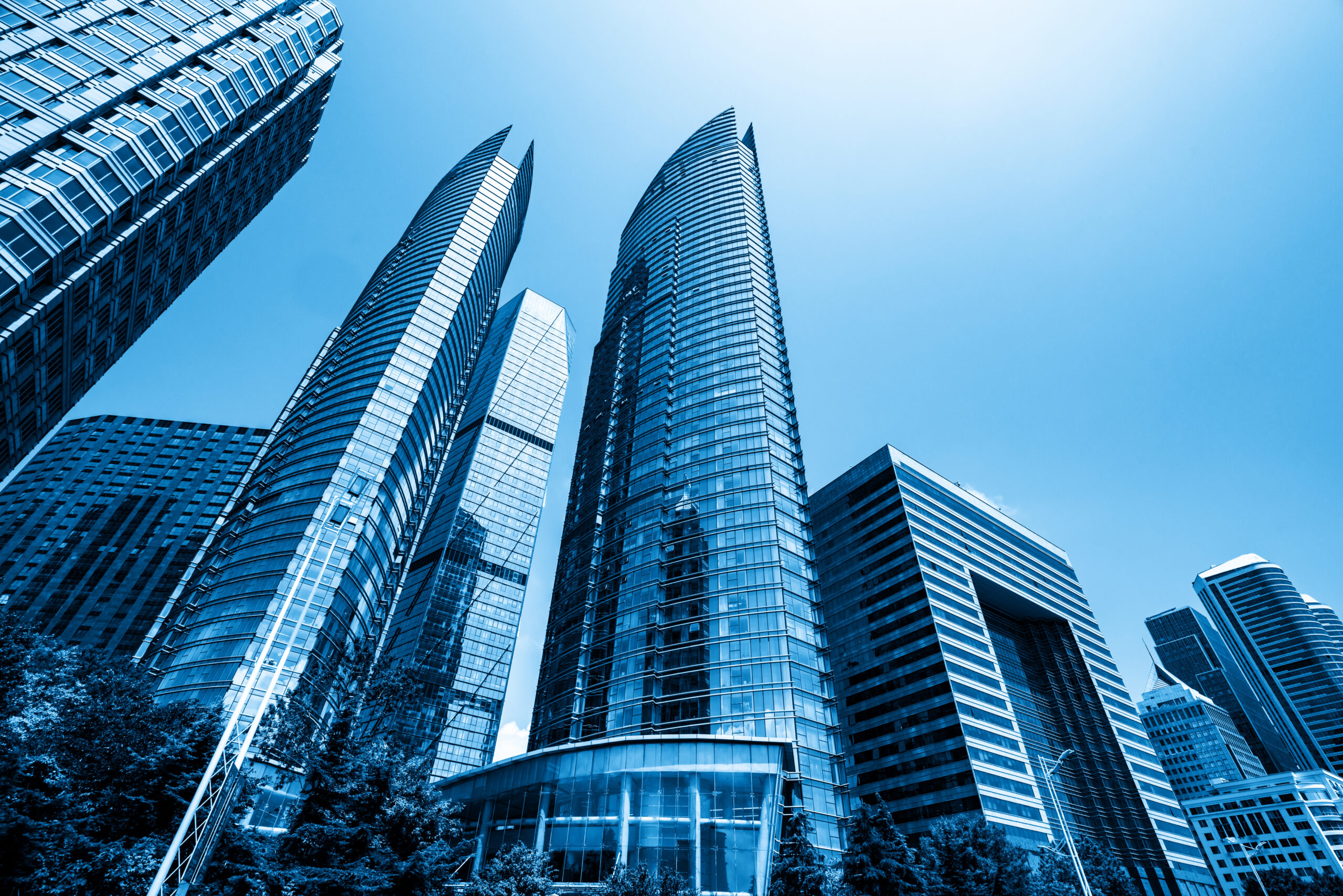
Metal has emerged as a pivotal material in modern architecture, transforming skylines and redefining what we consider possible in design. Its versatility, durability, and aesthetic appeal make it a popular choice for architects and construction professionals worldwide. Continue reading to explore innovative uses of metal in architecture, focusing on metal building and glass. Readers will discover how metal contributes to groundbreaking architectural designs and the importance of collaboration with expert architects.
The Rise of Metal in Modern Architecture
Metal’s role in architecture has grown exponentially over the years. Architects and designers are increasingly leveraging its properties to create structures that are both functional and visually striking. Metal offers an unparalleled blend of strength and flexibility, allowing for the realization of bold, futuristic designs that were once thought impossible. This adaptability means it can be used in various applications, from structural frameworks to intricate facades.
The aesthetic possibilities with metal are virtually limitless. It can be molded, shaped, and finished in countless ways to achieve the desired look. This versatility allows architects to push boundaries and experiment with new forms and styles. Furthermore, metal’s reflective qualities can increase a building’s visual impact, making it a popular choice for projects that aim to stand out or blend with their surroundings in innovative ways.
Incorporating metal into architectural designs also aligns with sustainability goals. Many metals are recyclable, and their durability provides longevity, reducing the need for replacements and repairs. This makes metal an attractive option for environmentally conscious projects, adding another layer of appeal to its already impressive list of advantages.
Exploring Metal Building Techniques
Metal building techniques have evolved significantly, offering a range of solutions that cater to different architectural needs. One of the most notable advancements is the development of prefabricated metal structures, which streamline the construction process, reduce waste, and lower costs. These structures are pre-cut and pre-drilled, minimizing the need for on-site modifications and speeding up installation times.
Another innovative technique is the use of lightweight metal composites. These materials combine the strength of metal with the weight-saving benefits of other components, leading to structures that are both robust and efficient. Lightweight metal composites are particularly useful in high-rise buildings and large-span structures, where reducing weight without compromising strength is important.
Metal cladding is another popular application in metal building. It provides an additional layer of protection against the elements while increasing the building’s aesthetic appeal. Metal cladding comes in various finishes and textures, offering designers creative freedom to achieve the desired look and feel. This technique is often used to create striking facades that capture attention and convey a sense of modernity.
The Art of Using Glass and Metal Together
The combination of glass and metal is a hallmark of contemporary architectural design. This pairing creates elegant, transparent structures that maximize natural light and offer panoramic views. Glass and metal complement each other beautifully, with metal providing the necessary support and glass delivering the visual impact.
Glass facades supported by metal frames allow architects to create open, airy spaces that connect the interior with the exterior environment. This design approach increases the building’s aesthetic appeal and promotes energy efficiency by reducing the need for artificial lighting during the day. Additionally, the use of double-glazed or low-emissivity glass can further improve energy performance, making this combination an excellent choice for sustainable projects.
The play of light and shadow created by glass and metal structures adds an extra layer of depth and interest to the design. By strategically using these materials, architects can craft dynamic, visually engaging spaces that respond to their surroundings in unique ways. The interplay between transparency and reflection can also be used to create a sense of movement or fluidity, adding to the overall experience.
Architectural Communication and Design
Effective architectural communication is essential when working with complex materials like metal and glass. Architects must clearly convey their vision and collaborate closely with construction professionals to guarantee the design is executed accurately. This involves detailed planning, precise documentation, and ongoing dialogue throughout the project.
Digital tools play a significant role in facilitating architectural communication. Building Information Modeling (BIM) and 3D visualization software allow architects to create detailed models that illustrate every aspect of the design. These tools make it easier for all stakeholders to understand the project’s intricacies and provide valuable insights into potential challenges and solutions.
Another important aspect of architectural communication is the integration of feedback from various parties. By fostering an open, collaborative environment, architects can gather input from engineers, contractors, and clients, guaranteeing that all perspectives are considered in the decision-making process. This collaborative approach leads to more informed design choices and smoother project execution.
The Importance of Working With Architects
Engaging with expert architects like Architectural Communication & Design is important when embarking on a project involving innovative metal and glass designs. These professionals bring a wealth of knowledge and experience, realizing your vision efficiently and effectively. Expert architects understand the complexities of working with these materials and can guide you through the entire process, from concept to completion.
Hiring an architect with experience in metal building techniques can significantly impact the project’s success. They possess the technical skills and creativity needed to explore the full potential of metal and glass, balancing aesthetics, functionality, and sustainability. This expertise translates into a harmonious design that meets your specific needs and elevates your project.
Expert architects also have strong networks within the construction industry, allowing them to assemble a team of skilled professionals who can execute the design to the highest standards. This collaboration guarantees that every aspect of the project is carefully considered and executed, resulting in a finished product that exceeds expectations.
Metal’s Role in Sustainable Architecture
Sustainability is an important consideration in modern architecture, and metal plays an important role in achieving eco-friendly designs. Metals like steel and aluminum are recyclable, reducing the environmental impact of construction projects. Recycling metal consumes less energy than producing new materials, contributing to a lower carbon footprint.
In addition to its recyclability, metal’s durability creates long-lasting structures that require minimal maintenance. This longevity reduces waste and resource consumption over time, making metal an ideal choice for sustainable architecture. By incorporating metal into your designs, you can achieve a balance between aesthetics, functionality, and environmental responsibility.
Innovative metal building techniques also contribute to sustainability by reducing construction waste and improving energy efficiency. Prefabricated metal structures, for example, minimize material waste and streamline the building process. Meanwhile, metal’s thermal properties can be leveraged to create energy-efficient designs that reduce heating and cooling demands.
Innovative Metal Facades and Their Impact
Metal facades have become a defining feature of modern architectural design, offering endless possibilities for creativity and innovation. These facades can be designed to reflect or absorb light, create patterns, and even generate energy. The impact of metal facades on a building’s appearance and functionality cannot be overstated.
One of the most exciting developments in metal facades is the integration of photovoltaic panels. By incorporating solar cells into the facade design, architects can create energy-generating structures that contribute to a building’s sustainability goals. This approach reduces energy consumption while also increasing the building’s aesthetic appeal with a futuristic, tech-savvy look.
Metal facades can also be used to create dynamic visual effects through perforations and laser-cut patterns. These designs allow architects to play with light and shadow, adding depth and interest to the building’s exterior. The ability to customize these patterns offers endless possibilities for personalization and artistic expression.
Metal Structures That Defy Gravity
Metal’s strength and flexibility allow architects to create structures that defy conventional design limitations. From gravity-defying cantilevers to sweeping arches, metal enables the realization of bold, daring concepts that challenge the norms of architecture.
One remarkable example of this is the use of metal trusses and tension cables to support expansive roof spans. These structures can cover vast areas without the need for interior supports, creating open, unobstructed spaces perfect for arenas, airports, and exhibition halls. The combination of strength and elegance that metal provides makes it the material of choice for these ambitious projects.
In addition to large-scale applications, metal can be used to create intricate, sculptural forms that add a touch of whimsy and wonder to architectural designs. The ability to bend, twist, and shape metal into virtually any form allows architects to explore new possibilities and push the boundaries of what is achievable in architecture.
The Future of Metal in Architecture
The future of metal in architecture is bright, with ongoing advancements in materials and technology opening new possibilities for innovative design. Researchers and engineers are continually developing new alloys and coatings that improve metal’s performance, offering even more options for architects to explore.
One promising area of development is the use of smart materials and adaptive facades. These materials can change their properties in response to environmental conditions, allowing buildings to adapt to changing weather, light, and temperature. By incorporating these technologies into their designs, architects can create energy-efficient structures that increase occupant comfort and reduce environmental impact.
Another exciting trend is the exploration of 3D printing with metal. This technology enables the creation of complex, custom components that can be seamlessly integrated into architectural designs. The precision and efficiency of 3D printing offer new opportunities for creativity and customization, allowing architects to realize their visions in ways previously unimaginable.
Conclusion
The innovative uses of metal in modern architecture are transforming the industry, offering architects and construction professionals new avenues for creativity and efficiency. By understanding the possibilities that metal presents, you can improve your projects and stay at the forefront of architectural design. Whether you’re planning a new build or looking to renovate an existing structure, consider incorporating metal into your design to achieve a perfect balance of aesthetics, functionality, and sustainability.
Reaching out to expert architects and leveraging their knowledge can further elevate your project, helping you make the most of metal’s potential. If you’re inspired to explore the possibilities of metal in architecture, now is the time to take action and bring your vision to life.
Apart from that, if you want to know about Unlocking Potential: A Comprehensive Guide to Retail Media Network Development then please visit our Business Category.
