

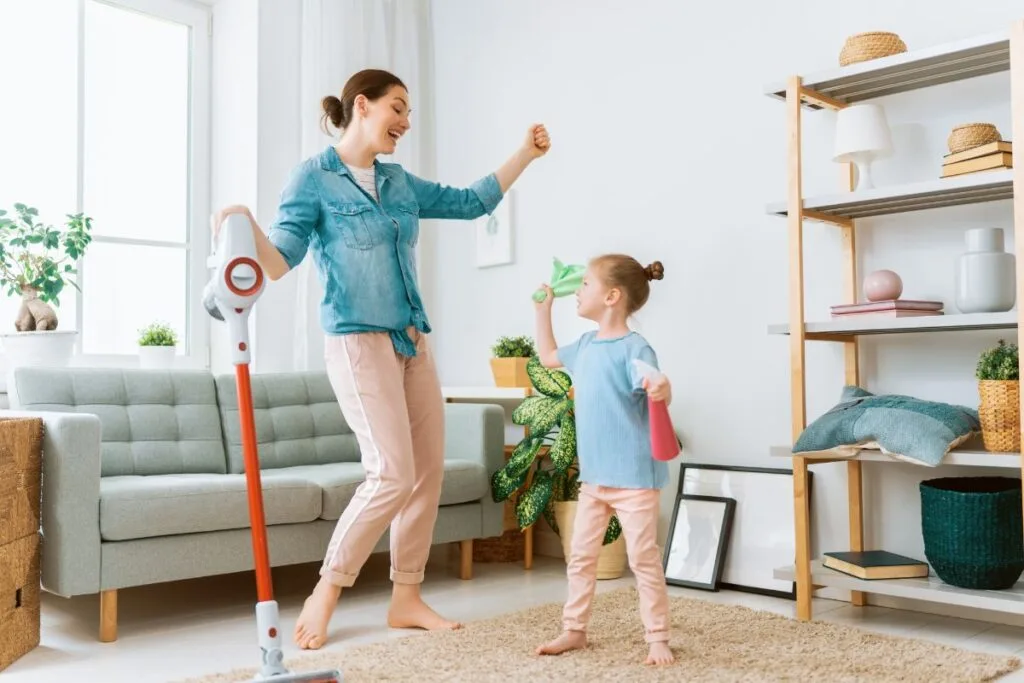
Cleaning your home can sometimes feel like an endless task. You vacuum one room only to track dust in from another, wipe down surfaces that quickly become messy again, and spend hours cleaning without feeling like you’ve made real progress. The secret to avoiding this frustration isn’t necessarily working harder—it’s working in the right order.
Professional cleaners understand that efficiency comes down to strategy. By following a logical cleaning sequence, you can reduce wasted effort, minimise re-cleaning, and complete the job much faster. Many professional services, including Sparkle & Shine, follow a structured cleaning order that ensures every step supports the next.
If you want to clean your home thoroughly without wasting time, here is the best order to follow.
Start by Decluttering Every Room
Before any actual cleaning begins, it’s important to remove clutter. Trying to dust, wipe, or vacuum around scattered items makes the process slower and less effective.
Take a few minutes to walk through each room and put things back where they belong. This includes:
- Clothes on chairs or floors
- Toys left in living areas
- Dishes sitting outside the kitchen
- Loose paperwork and magazines
- Random household items left on surfaces
You don’t need to organise everything perfectly—just clear the surfaces and floors so cleaning can happen efficiently.
Decluttering first allows you to move quickly through the rest of the process without constantly stopping to pick things up.
Work From Top to Bottom
One of the most important principles of efficient cleaning is always working from the top of a room downward.
Dust and debris naturally fall as you clean. If you start with floors or lower surfaces, you’ll end up undoing your work when you clean higher areas later. Elsewhere on the site: Outdoor Intercom Systems.
Instead, follow this order:
- Ceiling corners and cobwebs
- Light fixtures and ceiling fans
- Shelves and high furniture
- Benchtops and tables
- Lower surfaces
- Floors
This method ensures that anything falling during cleaning will be picked up when you vacuum or mop at the end.
Clean the Whole House by Task, Not by Room
Many people clean room by room, but professionals often clean by task instead. This means completing one type of cleaning across the entire house before moving on to the next.
For example:
- Dust all rooms first
- Wipe surfaces throughout the house
- Clean mirrors and glass everywhere
- Then vacuum the entire home
This approach reduces time spent switching tools, products, and equipment repeatedly. It also creates a smoother workflow and helps maintain momentum.
Start With the Least Dirty Rooms
Another smart strategy is to begin with the cleaner areas of the home and finish with the messiest.
Bedrooms and living areas are usually less dirty than kitchens or bathrooms. Starting with these rooms allows you to use fresh cleaning cloths and water before tackling areas with heavier grime.
A typical order might look like this:
- Bedrooms
- Living room and dining area
- Hallways and entryways
- Kitchen
- Bathrooms
- Laundry areas
Saving the toughest spaces for last ensures that you’re not spreading grease or bacteria to other parts of the home.
Tackle the Kitchen After Living Areas
The kitchen is often one of the most time-consuming areas to clean because it accumulates grease, food residue, and spills. For efficiency, it’s best to handle this room after the general living areas.
A logical kitchen cleaning order includes:
- Clearing and washing dishes
- Wiping appliances
- Cleaning benchtops
- Scrubbing the sink
- Wiping cabinet fronts
- Cleaning the stovetop
- Finishing with the floor
If your dishwasher is running while you clean other rooms, you can unload it later without interrupting your workflow.
Leave Bathrooms Until Near the End
Bathrooms should usually be cleaned toward the end of your routine because they require stronger cleaning products and more scrubbing.
Working in the correct order inside the bathroom also helps maximise efficiency:
- Spray cleaner on the shower, tub, and toilet first
- Allow products time to break down grime
- Clean mirrors and countertops
- Wipe sinks and taps
- Scrub the shower and bath
- Clean the toilet last
Allowing cleaning products to sit for a few minutes reduces the amount of scrubbing required.
Finish With Floors
Floors should always be the final step in your cleaning routine.
By the time you reach this stage, all dust and debris from higher surfaces will have fallen. Cleaning floors last ensures you’re removing everything at once rather than repeating the task.
The correct order for floors is typically:
- Vacuum carpets and rugs
- Vacuum hard floors
- Mop tiles, timber, or laminate
If you mop earlier in the process, you’ll likely end up with footprints or dust settling on wet surfaces.
Don’t Forget the Final Touches
Once the main cleaning tasks are finished, a few small finishing touches can make your home feel noticeably fresher.
These include:
- Replacing hand towels in bathrooms
- Taking out the rubbish
- Opening windows for ventilation
- Straightening cushions and furniture
- Lighting a candle or using a light room spray
These final steps only take a few minutes but make a big difference to how clean your home feels.
Why Cleaning Order Matters
Cleaning in the wrong order can double your workload. Wiping surfaces after vacuuming, cleaning bathrooms before dusting, or moving randomly between rooms can cause you to redo tasks multiple times.
By following a structured sequence, you create a system that:
- Reduces wasted effort
- Minimises cross-contamination
- Saves time
- Produces better cleaning results
Professional cleaners rely on these strategies every day because they dramatically improve productivity.
A Smarter Way to Keep Your Home Clean
Cleaning doesn’t need to take an entire day. With the right approach, most homes can be cleaned efficiently in far less time than many people expect.
The key is following a consistent order: declutter first, work from top to bottom, clean by task where possible, and finish with floors. This structured method keeps the process organised and prevents unnecessary repetition.
Over time, this routine becomes second nature, turning cleaning from a stressful chore into a manageable, streamlined part of your weekly schedule.
Apart from that, if you want to know more about The Ultimate Roof Maintenance Checklist for Homeowners then visit our Home Improvement category.
