

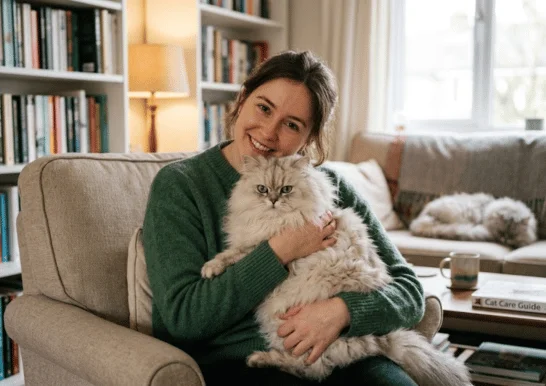
Fluffy cats are hard to ignore, but the coat is only part of the story. Different breeds vary widely in grooming needs, energy, size, and family fit. This guide compares 12 popular choices and explains the care behind all that fur.
A plush-looking coat comes from hair length, texture, density, or layered undercoats. Persians, Maine Coons, Ragdolls, Siberians, and Norwegian Forest breeds are common examples. The right match depends on grooming time, activity level, household routine, and how much shedding you can manage.
| Breed | Coat profile | Grooming level | Typical household fit |
|---|---|---|---|
| Maine Coon | Shaggy, dense coat | Moderate | Social or active homes |
| Persian | Long, dense coat | High | Calm households |
| Ragdoll | Soft, silky coat | Moderate | Families and companion-focused homes |
| Siberian | Dense triple coat | Moderate to high | Active households |
| Norwegian Forest | Thick double coat | Moderate | Homes with climbing space |
| Birman | Silky semi-long coat | Moderate | Families and quieter homes |
| Himalayan | Long, dense coat | High | Owners comfortable with daily care |
| Ragamuffin | Plush semi-long coat | Moderate | Family households |
| Selkirk Rex | Curly, plush coat | Moderate | Social households |
| Somali | Dense, soft coat | Low to moderate | Active homes |
| Turkish Angora | Fine, silky coat | Low to moderate | Interactive households |
| Turkish Van | Semi-long single coat | Moderate | Active, playful homes |
The table summarizes broad tendencies from current breed and pet-care sources. Individual personality can differ greatly within any breed. Coat condition, age, health, and lifestyle can also change grooming needs.
Key takeaways
- Thick fur does not automatically mean difficult grooming.
- Persians and Himalayans generally need more coat maintenance.
- Birman and Turkish Angora coats can be easier to manage.
- Active breeds need enrichment as well as grooming.
- Allergies depend on allergens, not coat length alone.
What Makes Fluffy Cats Look So Plush?
A plush coat is not simply a longer version of short hair. Texture and undercoat density can add much of the visible volume. Many breeds have outer guard hairs over a softer insulating layer.
That structure also changes care needs. Fine long hair can tangle, while dense undercoats can trap loose fur. Coat type matters more than appearance when you plan a grooming routine.
12 Plush Breeds Worth Knowing
1. Maine Coon
The Maine Coon pairs a shaggy coat with a large, athletic frame. Many are social and adaptable, but individuals vary. Plan for regular combing and extra coat care during shedding.
2. Persian
The Persian delivers maximum visual fluff through a long, dense coat. Its calm reputation can suit quieter households, though personality varies. Daily grooming is commonly recommended because the coat can mat easily.
3. Ragdoll
The Ragdoll has a soft, silky coat and a relaxed reputation. Many enjoy close human company and fit well in family homes. Weekly brushing is commonly recommended, though friction areas still need regular checks.
4. Siberian
The Siberian carries a dense triple coat developed for cold conditions. The breed is generally active, social, and curious. Seasonal shedding can be substantial, so grooming needs rise during coat changes.
5. Norwegian Forest Cat
The Norwegian Forest breed has a thick coat and strong climbing instincts. Many are athletic, patient, and people-oriented without demanding constant attention. Expect increased shedding during seasonal coat changes.
6. Birman
The Birman combines silky fur with a gentle, people-focused reputation. Its coat is less prone to matting than many longhaired coats. Weekly combing still removes loose hair and catches tangles as they form.
7. Himalayan
The Himalayan shares much of the Persian coat’s density and grooming burden. Many are affectionate and calmer than highly active breeds. Regular coat care is necessary because the long fur can develop tangles.
8. Ragamuffin
The Ragamuffin has a plush coat and a mellow, friendly reputation. Many adapt well to families and other household animals. Weekly grooming is often recommended, with professional help when stubborn mats develop.
9. Selkirk Rex
The Selkirk Rex stands out because its coat can form loose curls. Many have a relaxed, social temperament rather than constant high energy. Coat care should account for its unusual texture and individual hair length.
10. Somali
The Somali has a dense, soft coat and a distinctive plumed tail. This breed tends to be curious, energetic, and interested in climbing. Its coat is often manageable with weekly brushing and regular checks.
11. Turkish Angora
The Turkish Angora wears a fine, silky coat with a full plume. It is typically active, intelligent, and inquisitive. TICA notes the coat rarely mats, making weekly combing practical for many homes.
12. Turkish Van
The Turkish Van has a semi-long, single-layer coat with noticeable volume. This breed tends to be active, adventurous, and social. Weekly combing usually supports coat care, while its activity needs deserve equal attention.
How to Choose the Right Breed for Your Home
Start with your available care time, not appearance alone. A high-maintenance coat becomes difficult when daily brushing never fits your schedule. An easier coat may suit a busy household better, even if both options look equally plush.
Activity level matters just as much as grooming. Energetic breeds benefit from climbing, play, and interesting resting areas around the home. Writfy’s cat window hammock guide explains how elevated window space can provide indoor enrichment.
For U.S. families, adoption is also worth considering before contacting a breeder. Petfinder notes that both purebred and mixed animals with plush coats enter adoption networks. Meeting an individual animal can reveal more about temperament than appearance alone.
Grooming Without Turning It Into a Daily Battle
VCA recommends daily brushing for long, silky, or curly coats that tangle easily. Long-toothed metal combs can help remove loose hair and minor tangles. Use gentle pressure, especially behind the ears, under the legs, and near the groin.
Short, predictable sessions can make grooming easier for both owner and pet. Start while the animal is relaxed and stop before frustration builds. Positive routines are usually more sustainable than occasional long grooming sessions.
Tight mats need more caution than routine tangles. VCA advises using clippers rather than scissors when mats require removal. Severe mats, skin irritation, or painful grooming warrant professional or veterinary help.
Shedding, Allergies, and Keeping Your Home Manageable
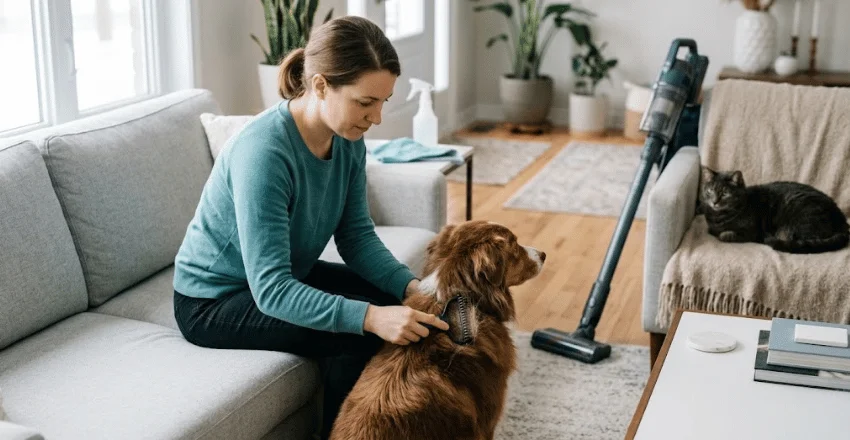
Long fur doesn’t automatically mean more shedding. Short-coated breeds can also release significant amounts of hair around a home. Coat density, season, health, and the individual animal all affect what you see.
Regular brushing catches loose hair before much of it reaches furniture. Vacuuming after dusting also prevents repeated cleanup across rooms. Writfy’s house-cleaning order guide provides a practical top-to-bottom routine for that work.
Allergy risk is a separate issue from visible shedding. The ACAAI says every cat produces allergens found in fur, skin, and saliva. Hair length is not considered a reliable predictor of household allergen levels.
Health Matters More Than the Coat
Appearance should never outweigh health when choosing a companion. Flat-faced Persian and Himalayan lines can have brachycephalic health concerns, including breathing and eye problems. Discuss breed-specific risks with a veterinarian before deciding.
Responsible breeders should provide meaningful health information instead of focusing only on color or coat. Adoption organizations can also share an individual animal’s known medical history. Either route should prioritize health, temperament, and long-term care.
Frequently Asked Questions
What breed of cat is considered the fluffiest?
No universal scientific ranking exists for fluffiness. Persian and Himalayan coats are commonly described as among the densest and most demanding. Siberians also appear exceptionally full because they carry a layered coat.
What is the largest plush-coated breed?
The Maine Coon is one of the largest recognized domestic breeds with a substantial coat. Its size creates an especially dramatic appearance when the coat is full. Individual adult size still varies with sex, genetics, and health.
How often should a longhaired cat be brushed?
Frequency depends on coat texture and matting risk. VCA recommends daily brushing for long, silky, or curly coats that tangle easily. Some easier coats can remain manageable with less frequent combing.
Do longhaired breeds always shed more?
They do not always shed more than shorthaired breeds. Longer strands can simply make shed hair easier to notice. Seasonal changes and undercoat density often influence household cleanup more than length alone.
Are fluffy cats hypoallergenic?
No coat type guarantees an allergy-free household. ACAAI states that all cats produce allergens, regardless of hair length. Anyone with significant symptoms should discuss exposure and testing with an allergist.
Is a fluffy cat high maintenance?
Some breeds require substantial daily grooming, while others need much less. Persians generally demand more coat work than Turkish Angoras or Birmans. Your schedule should influence the choice as much as appearance does.
Find a Companion That Fits Your Routine
The right choice should fit your household after the novelty of the coat fades. Consider grooming time, activity, health, temperament, and expected cleanup together. Finding a compatible individual matters more than choosing by appearance alone.
You can continue researching everyday feline care through Writfy’s Pets section. Use breed information as a starting point, not a guarantee. Then meet the individual animal whenever possible before making a long-term commitment.
